An interdisciplinary research community

The Lab is in formation

Experience becomes knowledge

Amerpass Research Lab is being developed within Amerpass Foundation as an international community of researchers and practitioners. Experience in medicine, theatre, journalism, language and education provides the starting point for questions we can investigate together.

Within Amerpass Foundation

  • Medicine
  • Theatre
  • Journalism
  • Linguistics
  • Education
  • Social sciences
  • Cultural practice
Different fields of experience. A shared research conversation.
7programme areas
14researchers on this site
12works in the site archive

People, experience and institutions

Preserve experience. Understand change. Share knowledge.

A physician moves to another country and rebuilds professional connections. An actor works in a new language and meets a different audience. A journalist continues an editorial tradition whose archive is disappearing from the web. Each experience contains knowledge and observations that can become a research question.

The Lab connects social sciences and humanities with medicine, education and the performing arts. Its shared focus is professional continuity, human experience and interaction with institutions. Our aim is to create conditions in which colleagues from different fields can develop questions, find collaborators and produce well-supported findings that matter beyond their own profession.

A physician, actor, journalist or educator can initiate a study and contribute as a coauthor.

Contributions are recognised through the work actually performed. Professional experience informs the question, materials and interpretation; research methods make that experience available for critical discussion and examination.

The research programme

Seven areas, shared questions

The programme helps colleagues find connections across professions. Each team's composition follows the research question, while participants remain free to develop their own topics.

Professional continuity and migration

How people retain knowledge, professional connections and recognition when moving between countries or professional environments. Research considers career transitions and procedures for recognising experience in the context of each profession.

Institutional trust and public communication

How people understand information from public authorities and service providers. Research considers clear procedures, consistency across languages and the ability to obtain an answer.

Medicine and healthcare

Professional practice, the transmission of medical knowledge and relationships between patients and practitioners. Medical professionals can initiate studies at the intersection of health, society and communication.

Performing arts and cultural participation

How artistic practice, professional identity and relationships with audiences change. Actors and directors can examine creative traditions, work in another language and cultural memory.

Independent journalism and resilient information environments

How local media work through war, migration and organisational disruption. Research examines public-interest information, editorial archives and the preservation of journalistic sources.

Digital representations of people and evidence

How platforms and AI systems describe professional experience and select sources. Research examines incomplete biographies, the provenance of claims and the preservation of digital evidence.

Community organisations and knowledge transfer

How education, mentoring and cultural initiatives help people apply experience in a new environment. Research considers community participation and the transmission of professional knowledge between generations.

People and research interests

Researchers

Meet the laboratory’s researchers through their professional experience, research interests, publications and research projects.

Founder and President of Amerpass Foundation · Independent researcher

Igor Leonov

Independent researcher, journalist, and publisher; founder and president of Amerpass Foundation. His research examines professional continuity, institutional trust, migration, documentary evidence, and public communication.

Researcher profile: Igor Leonov

Independent researcher

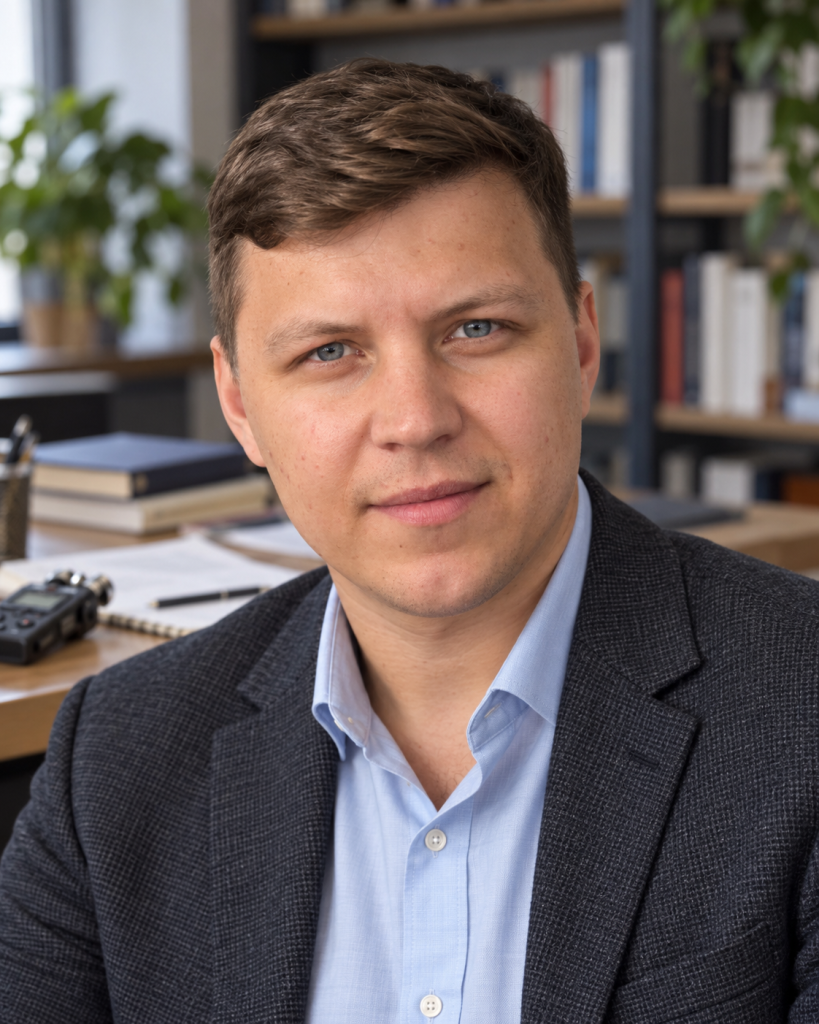
Maksym Domashov

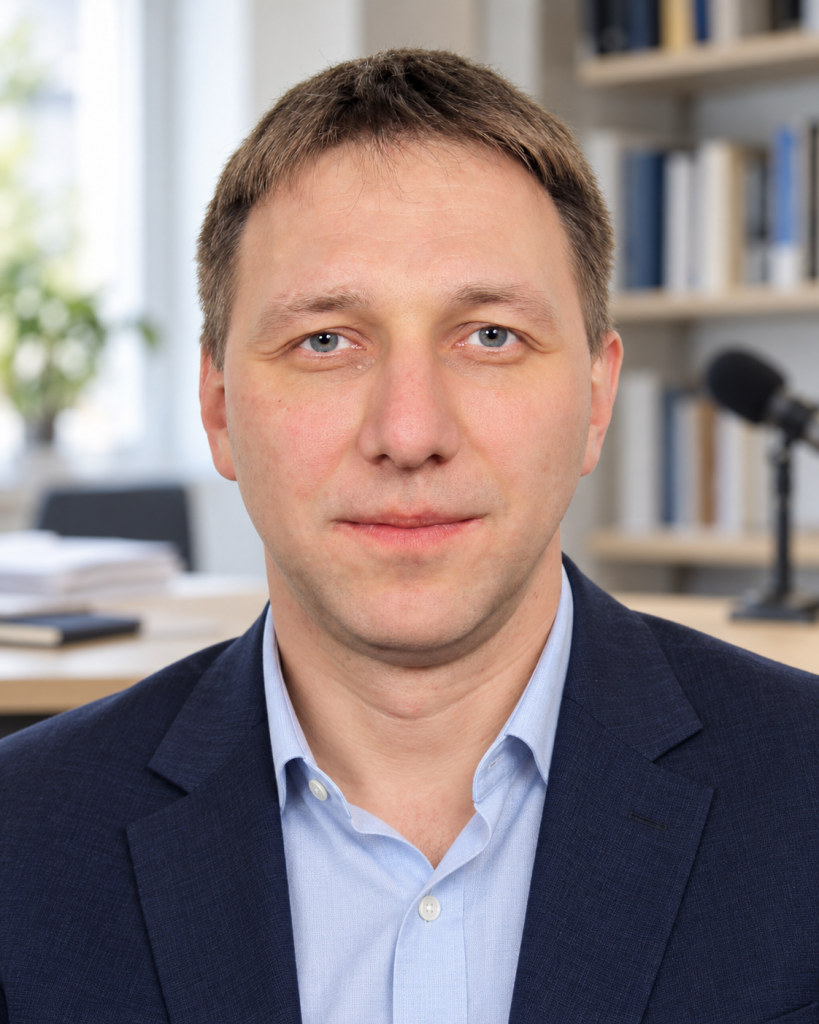
Studies local journalism, public communication and professional continuity during war and displacement. His research on southern Ukraine examines newsrooms, information verification and accountability to communities. Collaborative work addresses digital journalism archives, health misinformation and immigrants’ access to public services.

Researcher profile: Maksym Domashov

Independent researcher · Actor

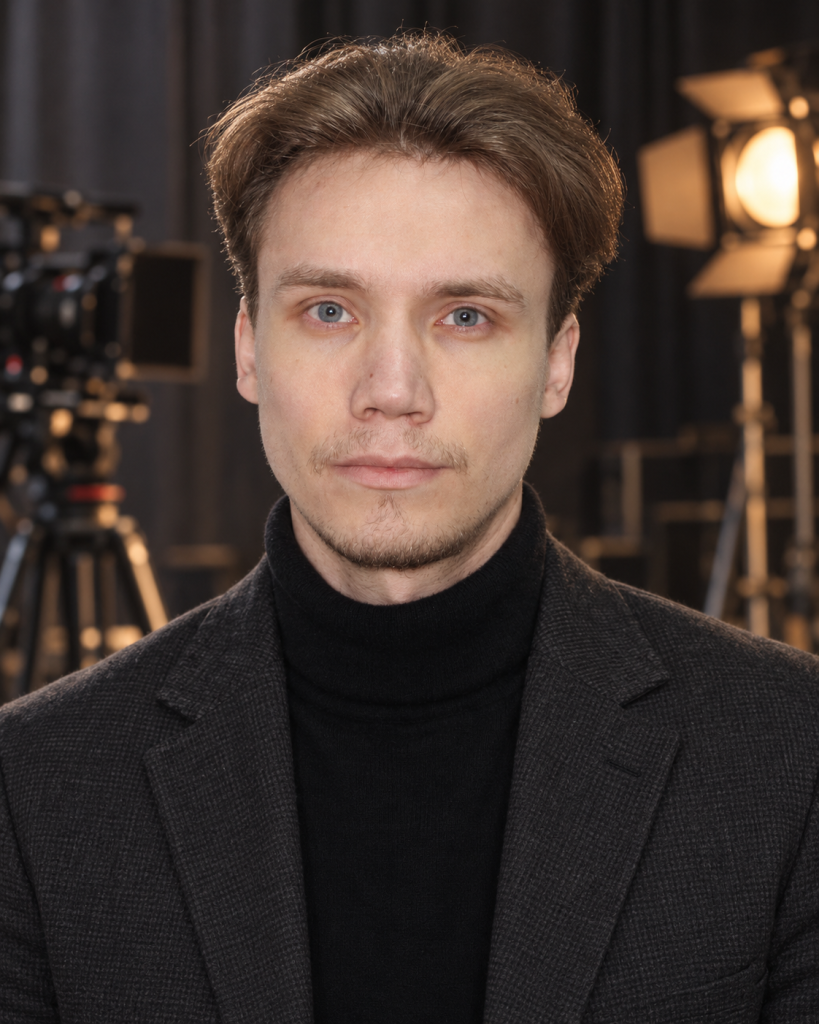
Oleg Leletskikh

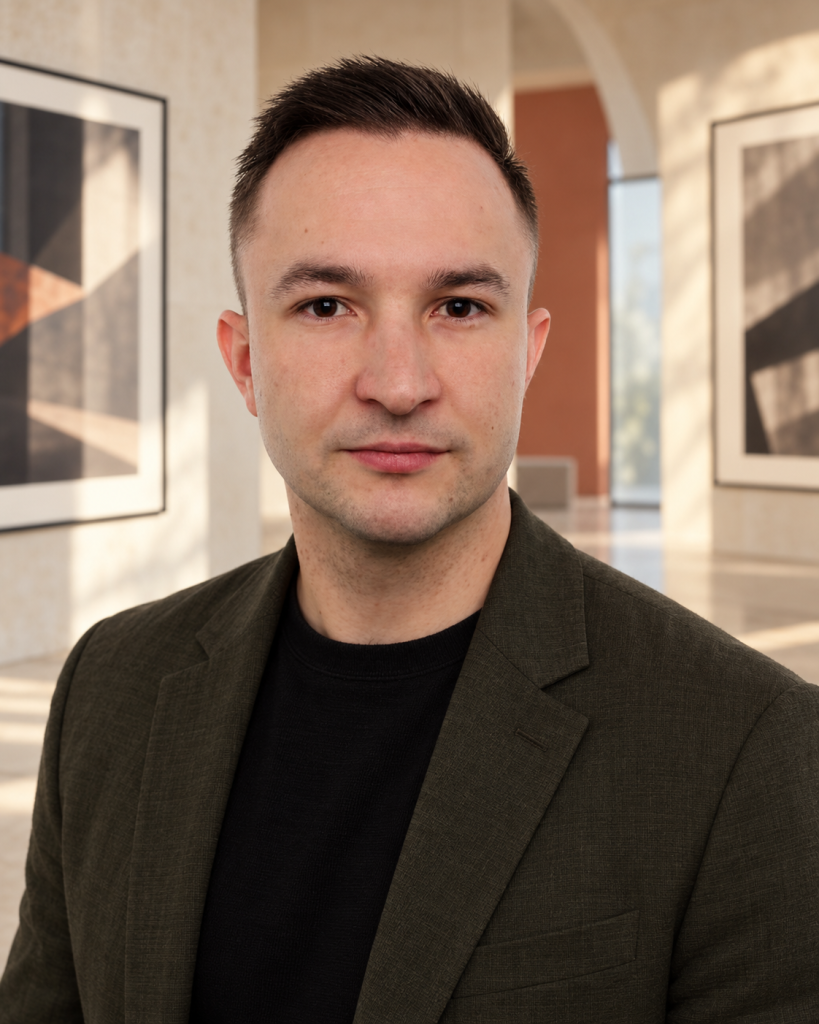
Actor and independent researcher of screen industries. His work examines Hollywood's institutional history, film-production geography, platform acting labor, and creative authority in independent film.

Researcher profile: Oleg Leletskikh

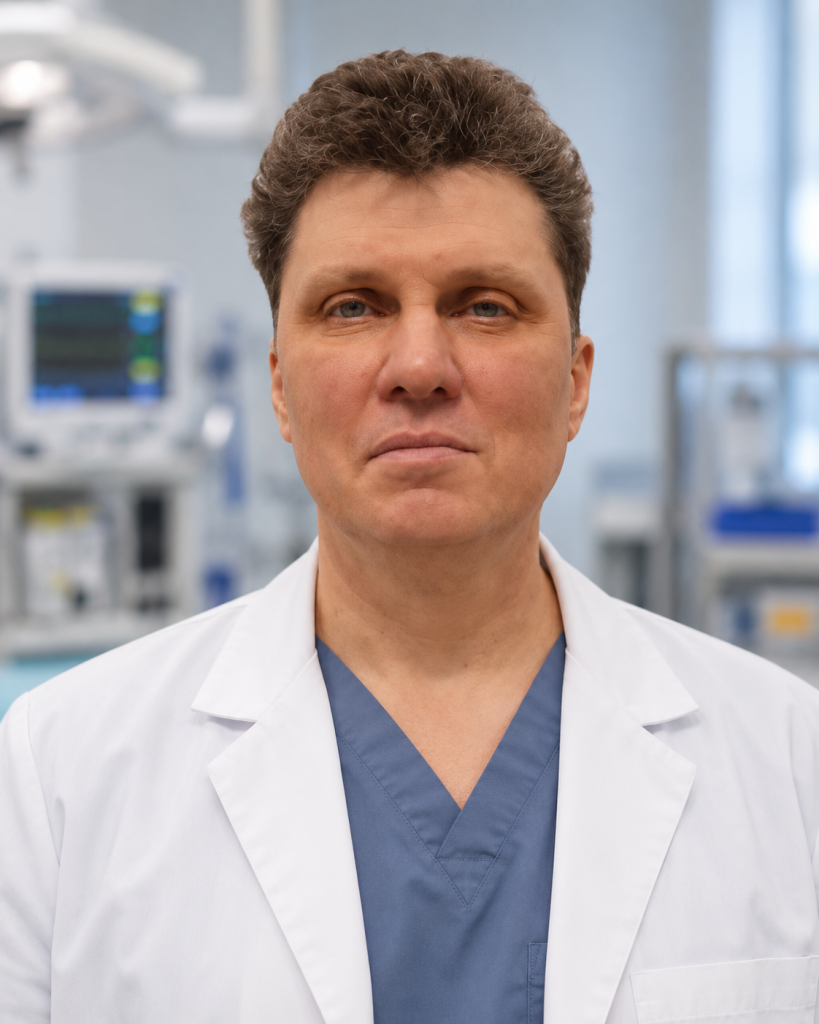
Intensive care and patient safety researcher

Marat Mangushev

Independent researcher of intensive care and patient safety. Clinical decision-making, human factors, continuity of emergency care and physician oversight of digital technologies.

Researcher profile: Marat Mangushev

Fox Time Media Holding correspondent · Independent researcher

Sergei Otnelchenko

Fox Time Media Holding correspondent and independent researcher. Studies forced displacement, occupational downgrading, qualification recognition, digital media, audience trust, and documentary ethics.

Researcher profile: Sergei Otnelchenko

Independent researcher · Production organization

Nikolai Fedenev

Independent researcher of small enterprises, production systems, and professional identity. His work addresses enterprise resilience, localized manufacturing, competency transfer, and institutional recognition of experience.

Researcher profile: Nikolai Fedenev

Independent researcher · Journalist and translator

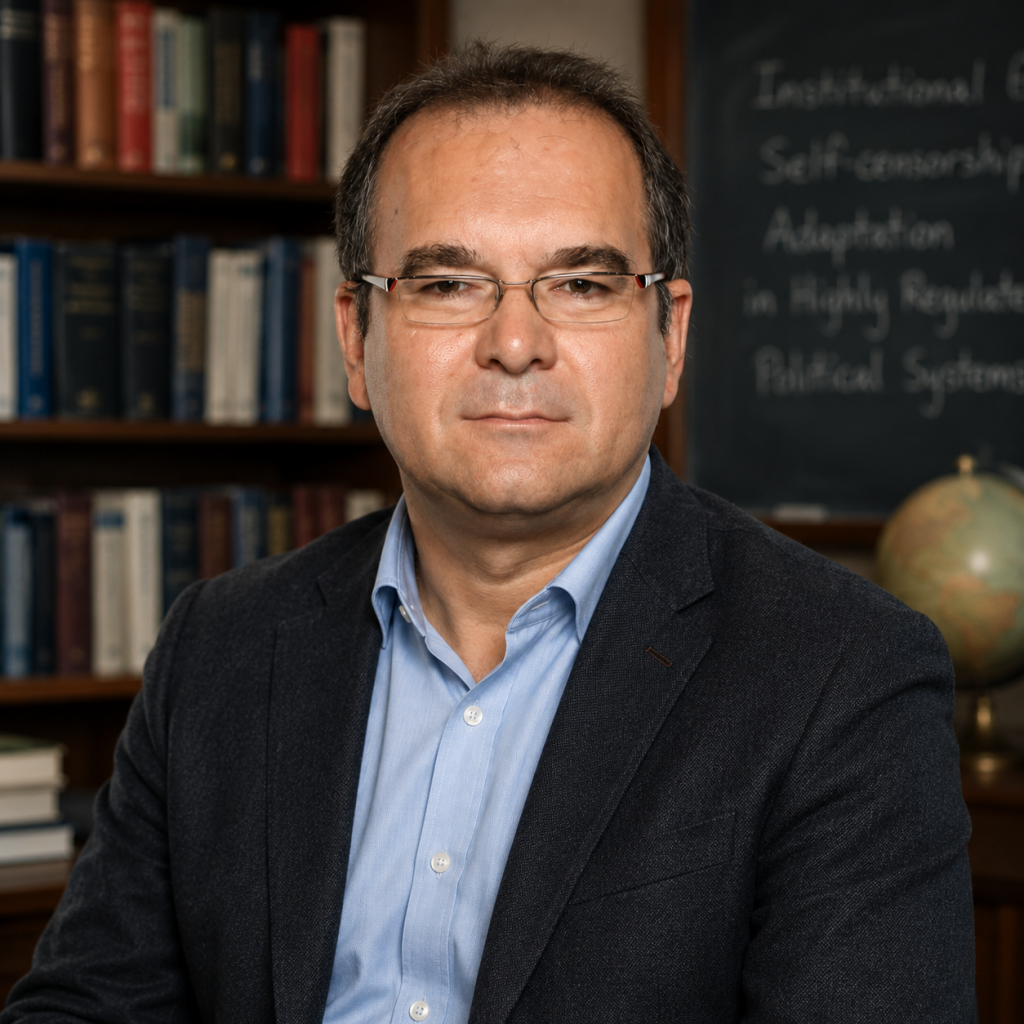
Yurii Savchuk

Independent researcher, journalist and translator. His work examines institutional trust, professional identity, self-censorship, digital communities and the ethics of documentary representation.

Researcher profile: Yurii Savchuk

Independent researcher · Nuclear safety

Dmytro Kucheruk

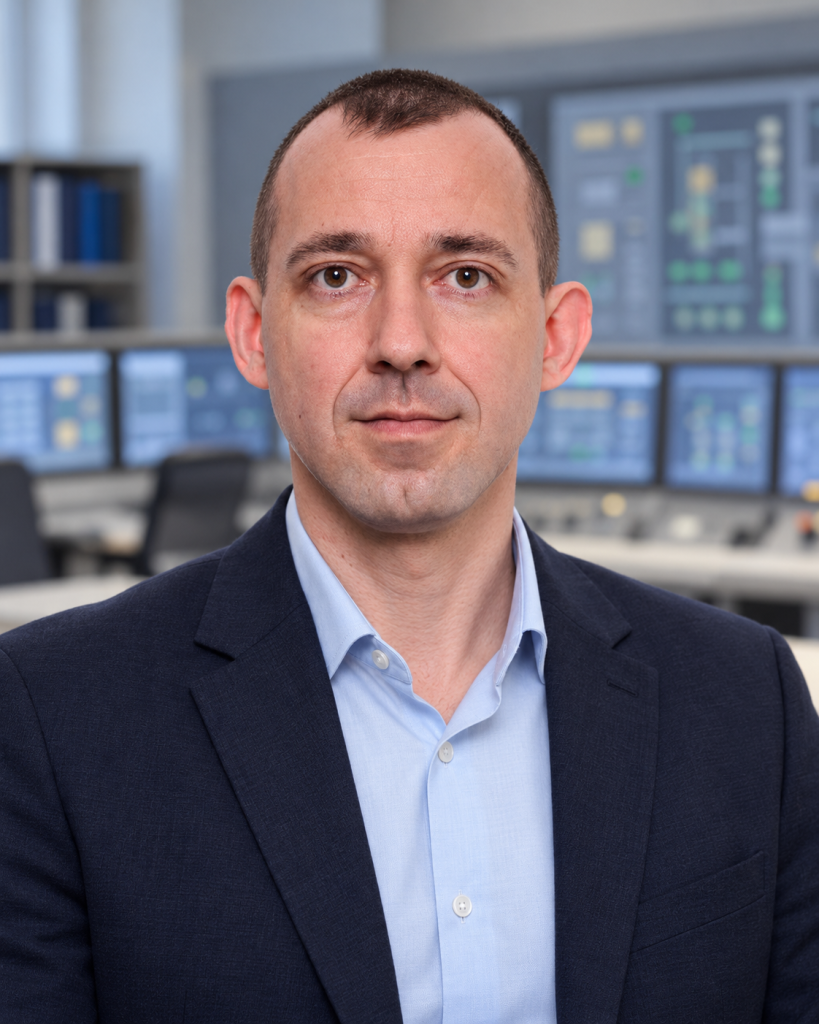
Independent researcher of human and organizational factors in nuclear safety. Studies safety culture, knowledge transfer, professional judgment, and the resilience of critical infrastructure.

Researcher profile: Dmytro Kucheruk

Journalist · correspondent and editor

Ivan Beliakov

Journalist, correspondent, and editor with Republic. A member of the Amerpass Research Lab community whose professional work involves international editorial representation and journalism in the United States.

Researcher profile: Ivan Beliakov

Independent researcher · International journalist

Siarhei Kudliankou

Belarusian journalist and independent researcher based in the United States. He studies how displaced people plan a return, find work and legal help, and decide when to trust public institutions.

Researcher profile: Siarhei Kudliankou
All researchers

The community welcomes further fields of experience and research questions. Roles in collaborative projects are agreed with their participants.

Community and collaboration

From a question to a shared result

The adopted model provides for small teams, the exchange of materials under agreed conditions and discussion throughout a study. These forms of collaboration will develop as the community takes shape.

A research question register

An idea begins with an observation from practice. A short account of the question, available materials and missing expertise helps identify collaborators and acknowledge the originator.

Finding colleagues and coauthors

A team forms around a research task. Subject expertise, language skills, analytical methods and knowledge of sources complement one another; roles and contributions are agreed at the outset.

An empirical materials catalogue

Source descriptions show which materials exist and how they may be used. Public texts, statistics, archives and prepared datasets each have their own access conditions.

Methodological discussions

Before collecting data, colleagues can examine the question, sampling and analysis. Seminars and consultation help reveal limitations and develop a feasible research design.

Discussion of working manuscripts

Colleagues read a draft, examine its findings and offer substantive feedback. Authors revise the study and agree on the final version before publication.

Seeking project support together

Teams can prepare applications for suitable funding. Support is intended for research tasks and shared infrastructure; specific terms and commitments require separate agreements.

The research archive

Researchers’ work

A selection of individual and collaborative work by Igor Leonov, Aleksandra Voronina and Maksym Domashov, drawn from the site archive and additional preprints on SSRN.

Explore the publication archive

Work undertaken through Amerpass Research Lab will be identified separately, with its project and contributors' roles.

The basis of collaboration

Clear agreements for shared work

Trust between colleagues grows from agreements that can be examined.

Voluntary participation

Participants choose feasible tasks and agree on their workload. Professional experience and different research traditions have a place in the programme.

Recognition of contributions

Authorship reflects intellectual contributions and responsibility for the findings. Roles are discussed at the outset and updated according to the work performed.

Documented sources and methods

A study should make its question, materials, analysis and limitations clear. This allows colleagues to assess its conclusions and build on the work.

Responsible use of materials

Access follows rights, consent and the project's purpose. Personal accounts, medical records and creative materials require specific agreements.

An invitation to collaborate

What question would you like to investigate?

We invite medical professionals, actors, directors, journalists, linguists, educators, independent and university-based researchers, and other practitioners. You can propose your own topic, contribute materials or methods, discuss a manuscript and find coauthors.

In your first message, describe your field, research interest, experience and available time. Tell us what task you could help with and what support you need. A link to a publication or an example of professional work can help start the conversation.

Discuss collaboration leonov@amerpass.org

The community and its first collaborative tasks are taking shape. Participation and the terms of each project are agreed individually.